New Born (0-3 Months)
Everything you need to nurture your newborn, without the premium price tag.


Bringing Baby Home
The first days of bringing a baby home can feel full of love, learning, and very little sleep. From late-night cuddles to tiny feeding cues, this stage asks a lot from parents. A gentle newborn care guide can help you find support, essentials, and reassurance as your family settles into a new rhythm.
Bringing a baby home from the hospital can feel emotional, exciting, and overwhelming all at once. You may be looking around the room wondering if you have enough diapers, the right swaddles, a safe sleep space, feeding supplies, and support for yourself too. You do not need everything. You need the right basics, calm guidance, and practical help that makes each day feel a little more manageable.
During the baby’s first week, everything can feel new. Your baby is adjusting to light, sound, feeding, sleep, and comfort outside the womb. You are adjusting too. This is not a season for perfection. It is a season for learning your baby, protecting your rest where you can, and accepting support when it makes life easier.
Newborn Essentials: What Really Matters First
The baby aisle can make parents feel like they need everything immediately. You do not. A simple baby essentials checklist can help you focus on what your baby will actually use in the first weeks.
Start with the basics:
- Diapers and gentle wipes
- Safe sleep space
- Swaddles or sleep sacks
- Burp cloths
- Feeding supplies
- A few soft outfits
- Baby thermometer
- Gentle bath items
- Car seat
- Changing area
- Comfort items for the parent too
Your newborn baby essentials should support feeding, sleeping, diapering, soothing, and safe travel. The goal is not to build a perfect nursery. The goal is to make daily care easier.
Some parents also look for free baby essentials to ease the cost of the first few months. Samples, brand offers, registry gifts, coupons, and starter bundles can make a real difference when everything feels expensive at once. Choosing a trusted baby essentials brand matters too, but the best choice is not always the most expensive one. Look for safe, practical, easy-to-use products that fit your baby and your home.
The most essential baby items are the ones you reach for every day, not the ones that only look good in photos.
Navigating the Early Weeks
Your baby is learning life outside the womb, and you are learning right alongside them. Understanding the basics of newborn baby care can make life gentler, especially when the days feel long and the nights feel even longer.
The Sleep Sync
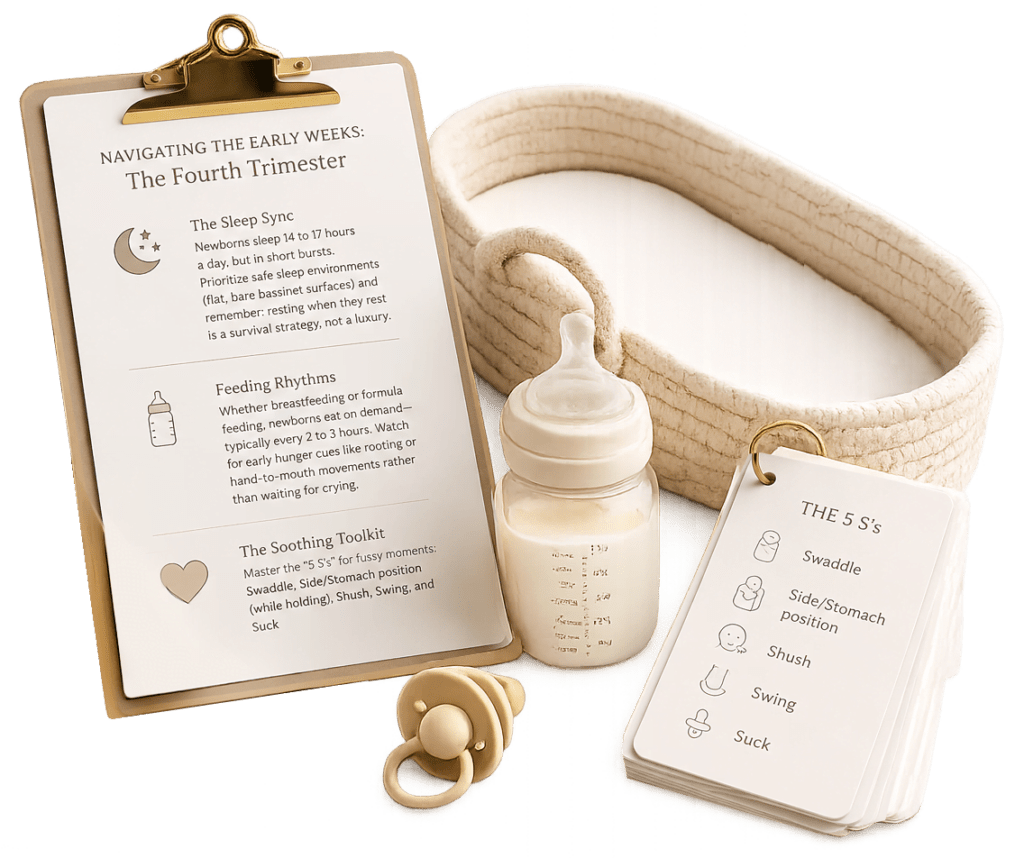
Newborn sleep patterns by week can feel unpredictable. Newborns often sleep many hours across the day, but usually in short stretches. Focus on a safe sleep space with a firm, flat surface, a fitted sheet, and no loose bedding. Resting when your baby rests is not laziness. It is survival in the early days.
Some babies sleep better in your arms, some wake often, and some seem to mix up day and night. This does not mean you are doing anything wrong. It means your baby is adjusting. Keep sleep spaces safe, keep expectations realistic, and ask for help when exhaustion starts to feel too heavy.
Feeding Rhythms
What do I feed a newborn is one of the most common worries in the first weeks. For most newborns, breastmilk or formula is the main source of nutrition. Many babies feed every 2 to 3 hours, though some feed more often during growth spurts or cluster feeding periods.
A simple feeding schedule for newborn care can help you notice patterns, but it should not make you feel trapped. Watch for early hunger cues like rooting, hand-to-mouth movements, lip smacking, or stirring before crying starts. Crying is often a late hunger sign.
Whether you breastfeed, formula feed, pump, combo feed, or change plans along the way, your baby being fed and cared for matters more than pressure or comparison.
The Soothing Toolkit
Fussy moments are part of care of newborn routines. The 5 S’s can help many babies settle: swaddle, side or stomach position while holding, shush, gentle swing, and suck. Always return baby to their back for sleep.
Some babies calm quickly. Others need more time, movement, feeding, burping, or closeness. Soothing is not about having a perfect trick. It is about learning what helps your baby feel safe.
Keeping Baby Comfortable at Home
A newborn does not need a perfect nursery to feel secure. They need closeness, clean diapers, safe sleep, gentle feeding, warmth, and calm care.
1. Skin-to-Skin Contact:
Skin-to-skin can be one of the simplest ways to settle your baby. Place your baby against your chest, cover them with a light blanket if needed, and let them feel your warmth and heartbeat.
This can help your baby feel calm and connected. It can also help you slow down in the middle of a day that feels too full.
2. The Diapering Blueprint:
Newborns go through a lot of diapers. More than you expect. Sometimes right after you just changed them.
Keep diapers, wipes, cream, and extra clothes close by so you are not searching for supplies while holding a crying baby.
3. Bathing and Cord Care:
Your baby does not need a full bath every day. In the early days, sponge baths are usually enough until the umbilical cord stump falls off and the area heals.
Keep the cord area clean and dry. Avoid pulling at it, even if it looks almost ready to fall off.

Newborn Comfort Basics
Caring for a newborn often comes down to small, repeated routines. Gentle care, clean diapers, safe sleep, feeding support, and comforting touch can help your baby feel calm and secure.
Close Chest Cuddles
Close chest cuddles are part of caring for a newborn. They can help babies stay warm, feel steady, support bonding, and bring comfort to both baby and parent. Spend a few calm minutes each day holding your baby close when you can.
This is not just sweet. It helps you slow down, notice your baby’s cues, and feel more connected during a season that can sometimes feel rushed, messy, and emotional.
The Diapering Blueprint
Diaper days come fast in newborn baby care. Keep plenty of diapers nearby, use gentle wipes, protect your baby’s skin from moisture, and wipe front to back with care. In the early weeks, diaper changes are also one way parents learn what feels normal for their baby.
A simple diaper station can help:
- Diapers
- Wipes
- Diaper cream
- Extra outfits
- Burp cloths
- Hand sanitizer
- A small trash bag or diaper pail
You do not need a perfect setup. You need one that makes tired moments easier.
Bathing & Cord Care
Bath time is simple in newborn care at first. Until the umbilical cord stump falls off, sponge baths are usually enough. Keep the cord area clean, dry, and open to air. Your baby does not need daily baths in the early weeks unless your care provider advises otherwise.
Soft washcloths, warm water, gentle baby cleanser, and a cozy towel are usually enough. Keep bath time calm, short, and warm.

Development in the First Three Months
The first three months may look quiet from the outside, but your baby is growing every day. They are learning your voice, your smell, your touch, and the rhythm of home.
Baby’s First Week
During baby’s first week, your newborn may sleep often, feed frequently, startle easily, and need lots of closeness. This week is also about parent recovery, emotional adjustment, and learning what support you need.
Try to keep expectations small:
- Feed the baby
- Rest when possible
- Track diapers if advised
- Attend newborn appointments
- Accept help with food, laundry, or errands
- Ask questions when something feels off
Week Three Changes
Newborn development week 3 can bring more alert time, stronger feeding patterns, and sometimes more fussiness. Some babies begin having longer wake windows, while others still need frequent sleep and comfort.
This is also when parents may feel the weight of exhaustion more deeply. If the first two weeks were full of adrenaline, week three can feel real. You may need more support, not less.
Looking Toward Month Three
By the end of the newborn stage, many babies begin showing more social smiles, stronger head control, more eye contact, and more interest in faces or sounds. Some parents start thinking ahead to 3 month milestones baby searches, but remember: milestones are guideposts, not deadlines.
If you enjoy tracking memories, baby monthly milestones ideas can help you capture growth without turning your baby into a checklist. A simple photo, note, or small memory card is enough.
Support for Parents: You Matter Too
A healthy baby needs a cared-for parent. The early weeks can feel tender and tiring, so keep newborn care gentle, simple, and kind.
The Hormone Reset
Baby blues can bring tears, worry, mood swings, and exhaustion. If those feelings grow stronger, feel scary, or last longer than expected, caring for a newborn also means reaching out for help, support, and gentle care right away.
You are not weak for needing help. You are human. Your mental health matters because you matter, not just because your baby needs you.
Share the Load
Nighttime can feel heavy when one person carries it all. While caring for a newborn, divide shifts, diaper duty, burping, and feeds clearly so both parents or support people know what they are responsible for.
Even small support matters:
- Someone refills your water
- Someone handles laundry
- Someone brings food
- Someone takes the baby while you shower
- Someone manages visitors
- Someone helps during night feeds
Parents were not meant to do this completely alone.
Define Your Boundaries
Visitors can mean well, but boundaries matter in newborn care. It is okay to limit visits, ask guests to wash hands, request vaccines if that is your family’s choice, or let people help with groceries before they come.
You do not owe anyone access to your baby before you feel ready. A calm home matters more than keeping everyone pleased.
Childcare, Learning & Helpful Resources
Some families need support outside the home early, while others simply want to feel more prepared. Searching for day care for newborns can feel emotional because trusting someone with your baby is a big decision. Look for safe environments, clear caregiver ratios, clean routines, communication practices, and licensing requirements in your state.
Parents may also look for educational resources for parents when everything feels new. These can include newborn classes, pediatrician handouts, local parent groups, online learning, feeding support, and trusted books.
Some parents prefer newborn parenting books for calm, structured guidance. Others search for the best newborn books for new parents because they want advice that feels practical, gentle, and not judgmental. The best resource is one that helps you feel more capable, not more anxious.
Use support that makes parenting feel lighter. Leave behind anything that makes you feel like you are failing.
A Reminder for the Early Days
There is no perfect manual for your baby. Some days will feel natural, and others will feel like trial and error. A gentle newborn care guide can help, but you are learning one diaper, one feeding, and one nap at a time.
To your baby, your love already means everything in these early days. You do not need to be perfect. You need support, rest where possible, safe guidance, and the reassurance that both you and your baby are worthy of care.
Take it slowly. Take the help. Take the savings when they ease the pressure. And remember: this stage is not just about raising a newborn. It is also about supporting the parent who is becoming someone new too.
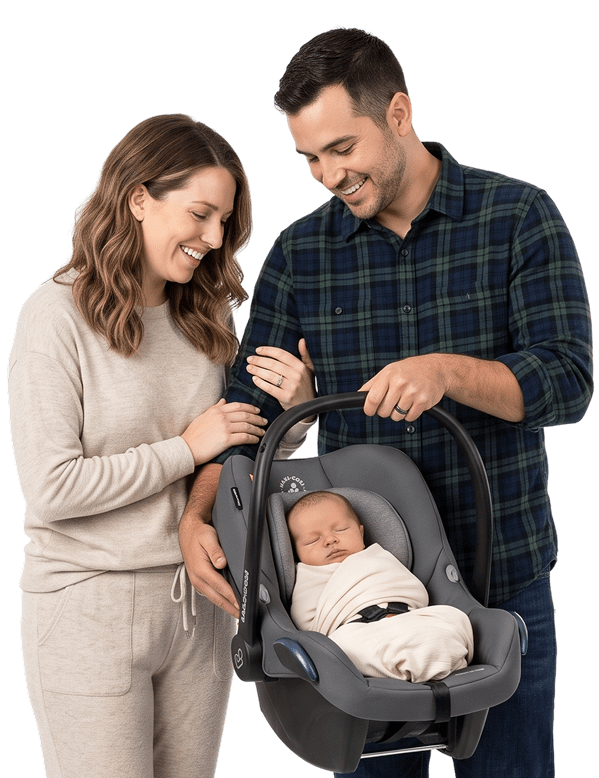
Enter Our Monthly Baby Essentials Giveaway
Each month, we curate trusted baby brands and must-have essentials for one lucky Canadian family. Register today to enter and unlock exclusive brand offers.
Support That Fits
Family Life
Helping You Feel More Prepared
Parenting can feel overwhelming when every answer sounds different. Discover baby freebies, trusted products, coupons, giveaways, and resources designed for families.
Explore articles on pregnancy, baby care, milestones, products, routines, and everyday family life, with practical tips for every stage.
- Baby Freebies : Every little thing matters, freebies, rewards & samples that make everyday family needs a little easier.
- Parenting Resources: Parenting brings love, worry, and questions. Find gentle resources and advice to help you feel less alone now.
- Trusted Partners: Meet caring brands with helpful products, services, and offers made for family-friendly deals.
- Daily Support: Baby freebies, parenting resources, trusted products, savings, giveaways, and practical help for everyday parenting.
Frequently Asked
Questions
Trusted parenting insights, product recommendations, and family advice all in one place.
What do I need before bringing the baby home?
What should I expect during baby’s first week?
How often should a newborn eat?
What are normal newborn sleep patterns?
How can I feel more confident caring for my newborn?
Built Around Parenthood

First Trimester Pregnancy Checklist

Healthy Pregnancy Signs

Bleeding and Spotting in Early Pregnancy

Best Baby Foods in the US
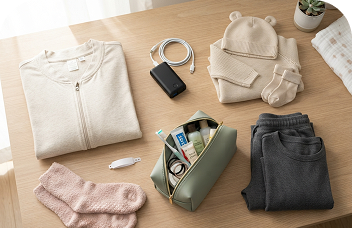
Hospital Bag Checklist for US Parents
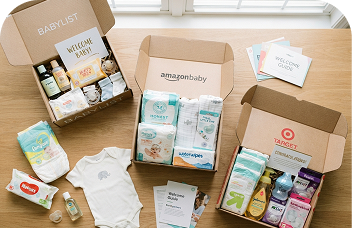
Getting Free Baby Registry Gifts
MyBellaBaby Family
A glimpse into real families, little smiles, and MyBellaBaby moments that bring our community together.