Toddler & Beyond
Big milestones, bold personalities, and smart saving hacks for when your little one suddenly has opinions.


Embracing the Toddler Years
The toddler years can feel like a beautiful mix of big hugs, bigger emotions, endless questions, and sudden independence. As your child moves beyond their first birthday, they begin walking, talking, testing limits, making choices, and showing you more of who they are becoming.
This stage can be joyful and exhausting at the same time. One moment your toddler may proudly complete a puzzle, and the next they may melt down because the wrong cup was placed on the table. These moments are not signs that you are doing something wrong. They are part of your toddler learning how the world works.
This guide brings together practical tips for parenting a toddler, simple routines, developmental support, meal ideas, sleep guidance, and thoughtful savings that can make this active stage feel calmer and more manageable.
Your toddler matters, but so do you. You deserve guidance that helps without judging, products that support without pressuring, and savings that make daily family life feel lighter.
Cognitive & Social Leaps, Big Minds, Big Emotions
Between ages 1 and 3, toddlers experience major changes in language, emotions, movement, and independence. They are learning how to communicate what they want, even when they do not yet have the words to explain it.
The Independence Spark:
Toddlers naturally want more control. They may insist on choosing their clothes, feeding themselves, walking instead of being carried, or saying “no” to almost everything.
Giving limited choices can reduce power struggles:
- “Would you like the blue shirt or the green shirt?”
- “Do you want to brush your teeth before or after pajamas?”
- “Would you like apple slices or bananas?”
The goal is not to let your toddler control every decision. It is to give them safe ways to practice independence while you keep the boundary clear. One of the most useful tips for parenting a toddler is to offer two acceptable choices rather than asking an open-ended question you may not be able to honor.
The Language Explosion:
Toddler vocabulary can grow quickly, but understanding often develops before clear speech. Your toddler may know exactly what they want while still struggling to say it, which can lead to frustration.
Support language naturally by:
- Narrating simple parts of your day
- Naming objects your toddler points toward
- Pausing to let them answer
- Repeating words without forcing them
- Singing familiar songs
- Reading together daily
- Naming emotions like happy, sad, mad, worried, and tired
Reading a toddler bedtime story can support language, connection, and a calmer transition to sleep. Your toddler may request the same story every night. Repetition helps them learn, predict, and feel secure.
Big Feelings and Tantrums:
Toddlers feel emotions intensely but do not yet have the skills to manage them. Tantrums are usually not manipulation. They are often a sign that your child is tired, hungry, overstimulated, frustrated, or unable to communicate clearly.
During a tantrum:
- Stay close and calm
- Use a few simple words
- Keep the boundary steady
- Avoid long explanations
- Offer comfort when your toddler is ready
- Talk about what happened after they settle
You do not need to stop every feeling. Your job is to help your toddler move through it safely.
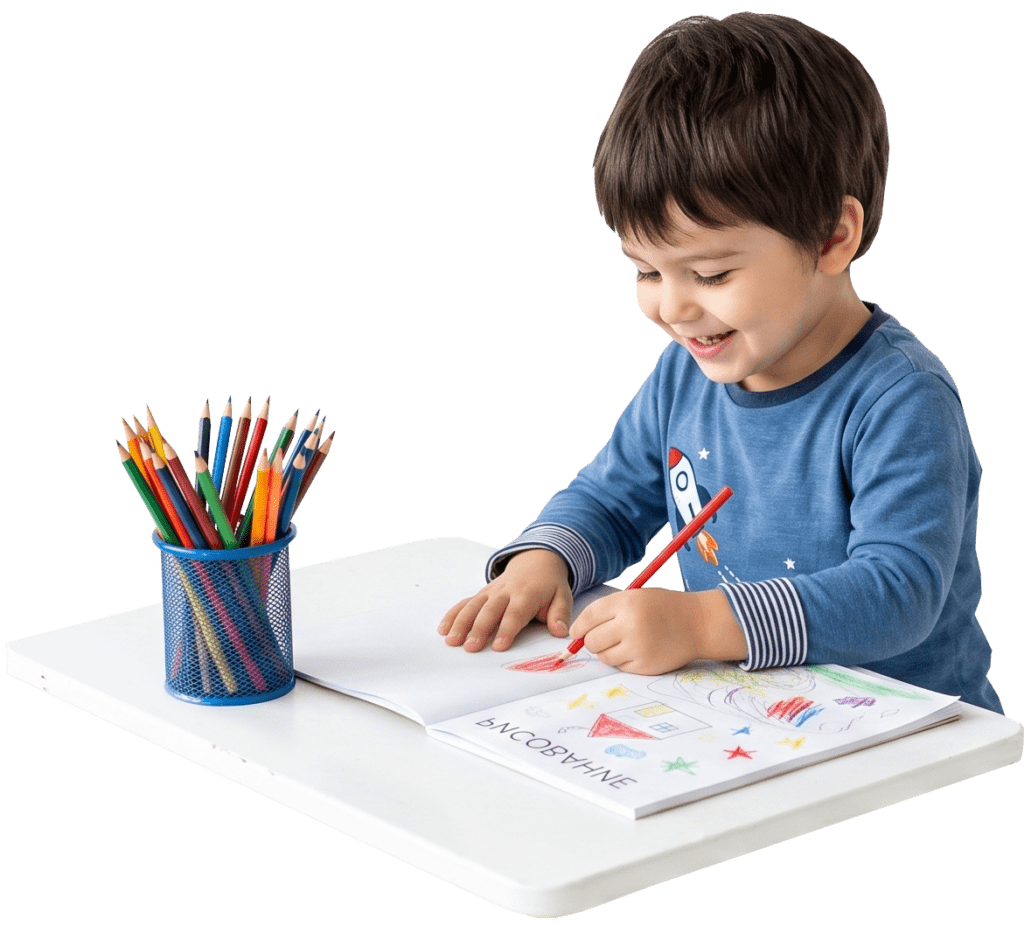
Toddler Learning & Play: Growing Through Everyday Moments
Toddlers learn best through movement, repetition, curiosity, and play. You do not need a perfect playroom or expensive setup to support development.
Toddler Learning Activities
The best toddler learning activities often use ordinary household items and familiar routines. Short activities are enough. A toddler may stay interested for three minutes, walk away, and return later. That is normal.
Toddler Educational Toys
Useful toddler educational toys support open-ended play rather than doing everything for the child. The best toy is not always the most advanced or expensive one. It is the one your child can safely explore in several different ways.
Development Toys for Two-Year-Olds
When choosing development toys for 2 year olds, look for options that support movement, language, fine motor skills, problem-solving, and pretend play.
Rotate toys instead of leaving everything out at once. A smaller selection can help toddlers focus and make familiar toys feel new again.
Toddler Nutrition: Fueling Busy Days
Toddler eating can feel unpredictable. A child who loved a food last week may refuse it today. Some days they may eat well, while other days they seem to survive on a few bites.
This is common during the toddler years because growth slows compared with infancy, appetite changes, and independence becomes stronger.
Toddler Meal Ideas for a One-Year-Old
Parents searching for toddler meal ideas for 1 year old usually need meals that are simple, soft, balanced, and realistic.
Offer small portions first. Large plates can feel overwhelming. Your toddler can always ask for more.
Handling Picky Eating
Picky eating can be frustrating, but pressure often makes meals harder. Try offering one familiar food alongside something new.
Mealtime Independence
Let your toddler practice using a spoon, drinking from an open cup, choosing between two foods, or helping place napkins on the table.
Bedtime Support
Toddler sleep can change because of development, teething, illness, new fears, nap transitions, travel, or a growing desire for independence.
A toddler who once went to sleep easily may suddenly protest bedtime, wake overnight, or ask for repeated check-ins.
Understanding Toddler Sleep Regression
A toddler’s sleep regression may appear as bedtime resistance, night waking, early rising, shorter naps, or sudden clinginess.
These changes can happen during major developmental periods. Your toddler may be learning new words, becoming more aware of separation, testing limits, or moving toward a different nap schedule.
Sleep disruption is exhausting, but it does not erase the progress your family has already made.
Building a Toddler Bedtime Routine
A predictable toddler bedtime routine helps your child understand what comes next and makes the transition from play to sleep feel safer.
The routine does not need to be long. Consistency matters more than perfection.
Bedtime Tantrums
Toddler bedtime tantrums often happen because your child is tired, wants more control, or does not want the day to end.
Avoid adding endless extra steps after the routine is complete. Calm boundaries help toddlers feel secure, even when they protest them.
The One-Nap Transition
Many toddlers eventually move from two naps to one. During the transition, they may become overtired, resist one nap, or need an earlier bedtime.
Make the change gradually. Some days may still need two naps, while others work better with one.

Potty Learning
Potty training works best when your toddler shows readiness, not simply because a certain birthday has arrived.
The most important potty training tip is to keep the process calm and predictable. Introduce the potty without pressure, use simple language, and praise effort rather than demanding immediate success.
Potty learning is not a test of your parenting. It is a developmental skill that takes time.
Lifestyle Transitions
Building Independence Safely
The toddler years bring more movement, stronger opinions, and a growing desire to help.
Let Them Help
Tasks may take longer when toddlers help, but participation builds confidence and belonging.
Setting Boundaries With Warmth
Clear boundaries help toddlers feel safe. You can be gentle without changing the limit. Keep explanations short during emotional moments. Toddlers cannot process long lectures when overwhelmed.
Childproofing for Active Toddlers
As climbing, running, and curiosity increase, revisit your home from your toddler’s point of view. Toddlers can develop a new skill before parents expect it. Update safety measures as their movement changes.
Growing Into the Next Stage
The toddler years are loud, funny, emotional, messy, and incredibly fast. One moment your child may cry because their banana broke, and the next they may surprise you with a new word, a warm hug, or a tiny act of kindness.
Your toddler is not giving you a hard time. They are often having a hard time while learning skills their brain is still developing.
Use routines when they help. Use learning activities to make ordinary moments meaningful. Choose educational toys that fit your child rather than following every trend. Build a bedtime routine for your toddler that works for your household, and approach potty learning without pressure.
Take advantage of helpful deals, practical savings, and products that reduce stress without making you feel like your toddler needs everything.
Your child is growing quickly, but you are growing too. You are learning when to hold the boundary, when to offer comfort, when to step back, and when to ask for support.
Celebrate the new words, the wobbly jumps, the bedtime stories, the messy meals, and the small moments that would be easy to miss.
You and your toddler both matter through every loud, tender, unforgettable part of this stage.

Enter Our Monthly Baby Essentials Giveaway
Each month, we curate trusted baby brands and must-have essentials for one lucky Canadian family. Register today to enter and unlock exclusive brand offers.
Support That Fits
Family Life

Helping You Feel More Prepared
Parenting can feel overwhelming when every answer sounds different. Discover baby freebies, trusted products, coupons, giveaways, and resources designed for families.
Explore articles on pregnancy, baby care, milestones, products, routines, and everyday family life, with practical tips for every stage.
- Baby Freebies
Every little thing matters, freebies, rewards & samples that make everyday family needs a little easier. - Parenting Resources
Parenting brings love, worry, and questions. Find gentle resources and advice to help you feel less alone now. - Trusted Partners
Meet caring brands with helpful products, services, and offers made for family-friendly deals. - Daily Support
Baby freebies, parenting resources, trusted products, savings, giveaways, and practical help for everyday parenting.
Frequently Asked
Questions
How can I handle a toddler sleep regression?
What are some healthy meal ideas for a one-year-old?
What learning activities are best for toddlers?
How do I manage toddler bedtime tantrums?
When should I start potty training my toddler?
Built Around Parenthood
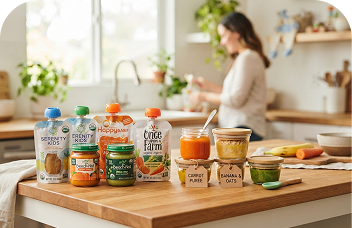
Best Baby Foods in the US
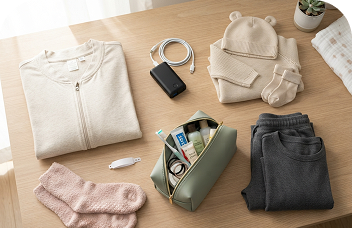
Hospital Bag Checklist for US Parents
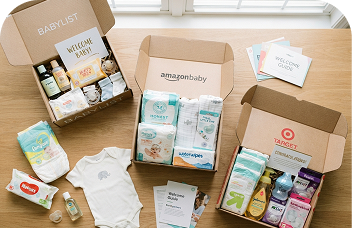
Getting Free Baby Registry Gifts
Best Baby Foods in the US
Hospital Bag Checklist for US Parents
Getting Free Baby Registry Gifts
MyBellaBaby Family
A glimpse into real families, little smiles, and MyBellaBaby moments that bring our community together.